
Why Continuing Support Matters After Residential Treatment
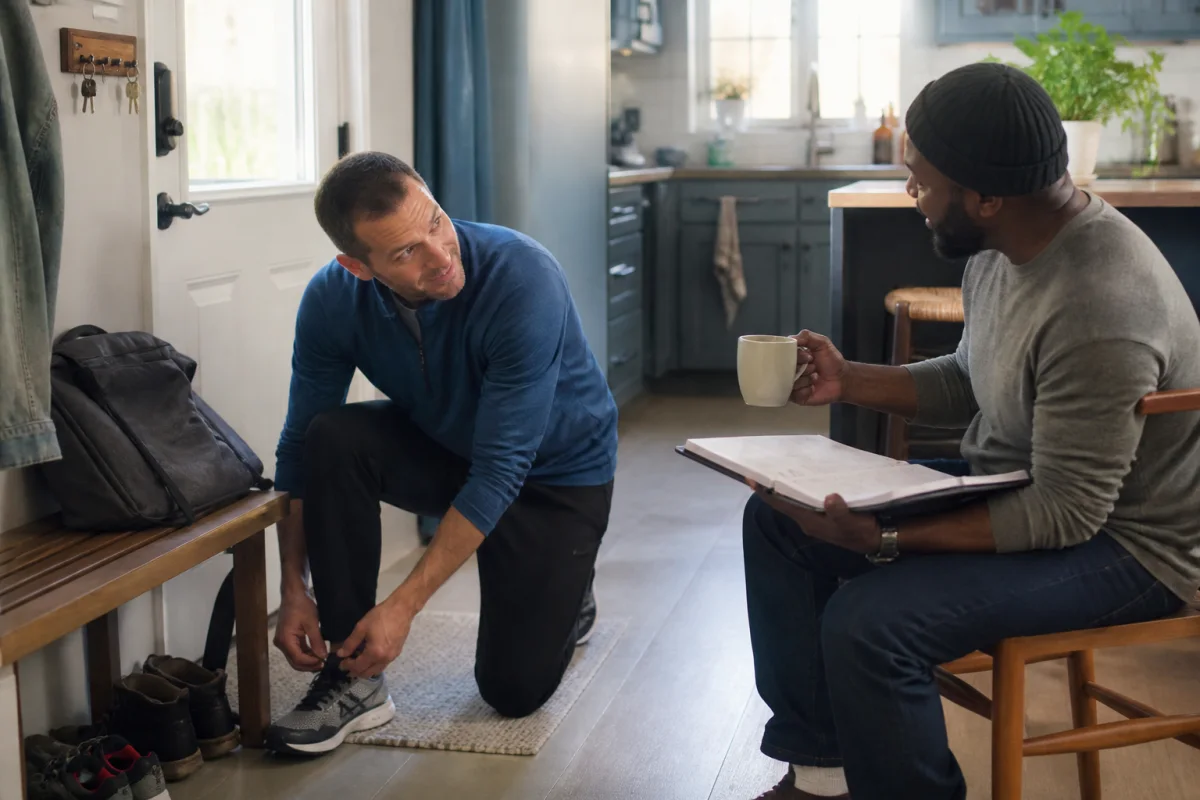
Residential treatment can begin recovery, but discharge returns a person to the conditions where recovery must continue. Ongoing clinical care and non-clinical recovery support help translate the treatment plan into housing, relationships, work, health, routines, and responses to setbacks. The right duration and intensity depend on the person's assessed needs.
This does not make residential treatment unimportant. A structured setting can provide safety, assessment, medical care, therapy, medication, education, and time away from immediate pressures. The mistake is treating the discharge date as proof that the long-term work is finished.
Discharge changes the environment
Inside a residential program, the schedule, access to substances, transportation, meals, peer contact, and clinical appointments are structured. At home, those supports must be rebuilt or replaced. Old relationships, unresolved conflicts, work demands, financial pressure, and access to substances return at the same time.
The National Institute on Drug Abuse describes recovery as a long-term process and says the appropriate treatment duration depends on the person's problems and needs. Its treatment principles emphasize adequate duration, continuing assessment, and adjustment of the service plan rather than a single fixed episode for everyone.
What should a continuing-care plan cover?
- Clinical follow-up. Appointments with the appropriate physician, therapist, psychiatrist, outpatient program, or other licensed provider.
- Medication continuity. Prescriptions, follow-up, and communication with the qualified prescriber when medication is part of treatment.
- Recovery support. Coaching, peer support, mutual-help groups, or other resources that fit the person's goals.
- Daily structure. Sleep, meals, transportation, work, school, exercise, appointments, and time that previously had no plan.
- Family agreements. Clear expectations for communication, money, housing, privacy, and responses to concern.
- A response to setbacks. Named actions if the person misses care, returns to use, stops medication, becomes unsafe, or asks for more help.
Continuing support is not a substitute for treatment
SAMHSA distinguishes non-clinical recovery support from formal treatment. Recovery support can operate after treatment or alongside it, helping people remain connected to providers and work on the practical conditions that support health and stability. Clinical symptoms, medication, diagnosis, and treatment decisions stay with qualified clinicians.
Why coordination matters
A plan can fail even when each provider is competent. One person may assume someone else scheduled follow-up. The family may receive instructions that conflict with the clinical plan. The person may return home without transportation, medication, or a clear first appointment. Case management makes ownership visible and follows the handoffs.
The plan should change when the person changes
Continuing care is not surveillance for its own sake. It is a way to notice what is working, reduce support when stability grows, and increase or change care when risk rises. The ASAM Criteria describes regular reassessment as the basis for moving to a less intensive level, remaining at the current level, or moving to more intensive care.
Torchlight's one-year view
Torchlight plans for the year after the immediate crisis, not only the admission. The assessment determines which parts of intervention, case management, coaching, monitoring, referral, and provider coordination belong in that year. Learn more about Collaborative Continuing Care and Torchlight's full process.
Sources and further reading
- Principles of Drug Addiction Treatment from the National Institute on Drug Abuse.
- Important considerations in recovery from SAMHSA.
- The ASAM Criteria continuum of care from the American Society of Addiction Medicine.